
categorized
Meeting Room Chairs for Comfort & Productivity in 2026
Mar
Before choosing the right meeting room chairs, it’s important to understand the space Officely operates in. The brand is clearly focused on modern Australian workplaces—business owners, office managers, and teams that want more than just basic furniture. Their approach revolves around creating workspaces that feel intentional, comfortable, and productive rather than purely functional. Officely’s core themes center on ergonomic comfort, clean design, and practical workspace solutions. They position furniture as a tool to enhance performance, not just fill a room. What makes them stand out is their balance between premium design and usability, alongside a strong focus on workplace wellbeing. Within the broader market—where competitors range from large retailers to niche ergonomic specialists—Officely fits into a growing trend: businesses are investing in furniture that supports both productivity and employee experience. The opportunity, however, lies in educating buyers. Many still underestimate how something as simple as a meeting chair can impact collaboration, focus, and energy.
Why Meeting Room Chairs Matter More Than You Think
Think about the last meeting you sat through. If the chair was uncomfortable, you probably noticed it within minutes. You shifted, adjusted, maybe even lost focus. That’s the real impact of poor seating. Meeting rooms are where ideas are shared, decisions are made, and teams align. The furniture in that space quietly influences how those interactions unfold. Comfortable seating supports longer, more productive discussions, while poor design can create distraction and fatigue.
What Defines a Great Meeting Room Chair?
Not all meeting chairs are created equal. Some are built for quick conversations, others for extended sessions. The key is choosing chairs that match how your team actually works.
Ergonomic Support Without Overcomplication
Unlike task chairs, meeting chairs don’t always need full adjustability—but they still need to support the body properly. A well-shaped backrest that follows the spine can make a noticeable difference. Even in shorter meetings, good posture matters.
Balanced Comfort
Meeting chairs should feel comfortable immediately. There’s no “breaking in” period. Whether it’s a quick catch-up or a longer strategy session, the seating should feel natural from the moment someone sits down. Cushioning, seat depth, and back support all play a role here.
Stability and Presence
Meeting rooms often reflect the professionalism of a business. Chairs should feel sturdy, well-built, and visually aligned with the space. It’s not just about comfort it’s about confidence.
Different Types of Meeting Chairs for Different Needs
One of the biggest mistakes businesses make is using the same chair for every situation. In reality, different meeting styles call for different seating.
Visitor Chairs for Quick Conversations
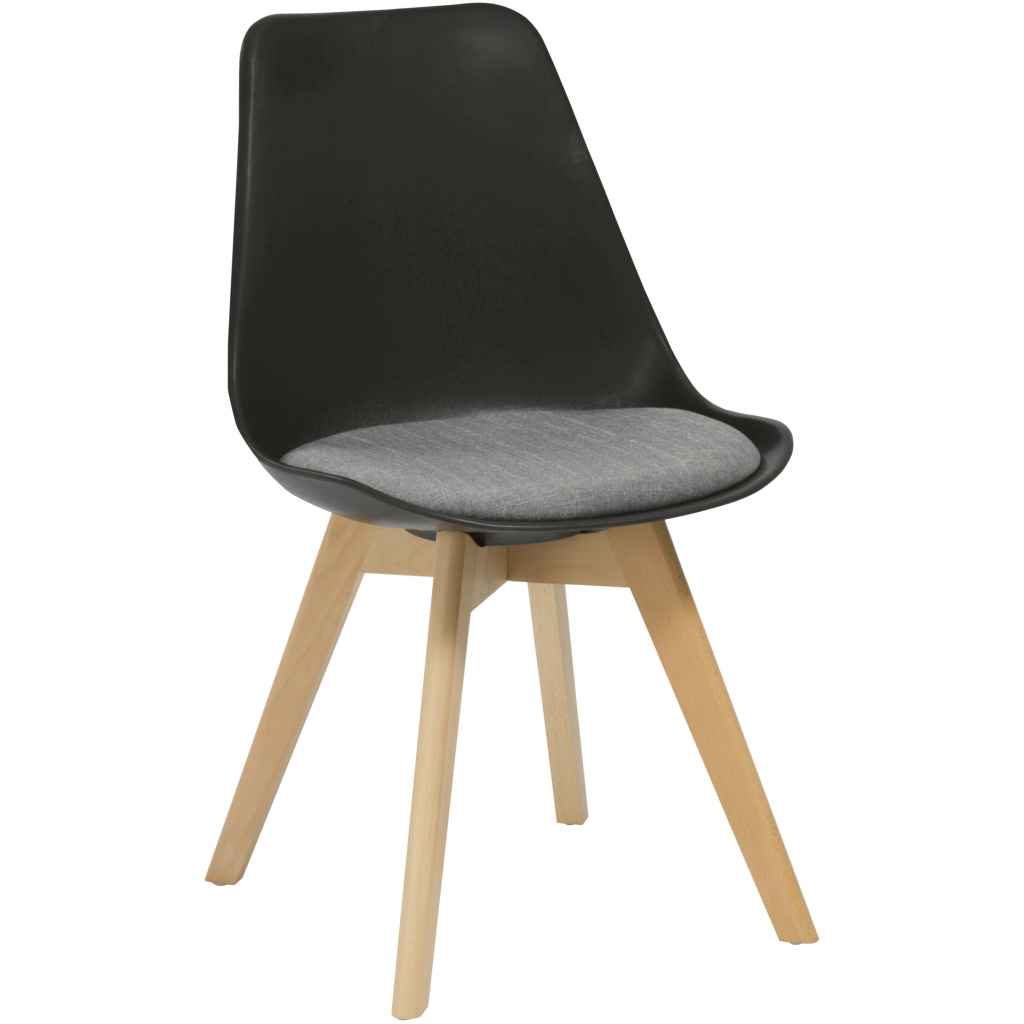
For informal or short meetings, simple visitor chairs work well. They’re lightweight, easy to move, and keep things casual.
Executive Chairs for Boardrooms
Boardroom settings demand a different level of comfort and presence. Executive-style chairs offer more support and a refined look, making them ideal for longer discussions and client-facing spaces.
Flexible Seating for Collaborative Spaces
Modern offices are moving toward more collaborative layouts. Stackable or mobile chairs allow teams to quickly adapt the space for different types of meetings. Flexibility is becoming just as important as comfort.
Features That Boost Productivity
The right meeting chair doesn’t just feel good—it actively supports better work outcomes.
Breathable Materials
Chairs with mesh or ventilated materials help maintain comfort over time by allowing airflow. This reduces that restless feeling that can build during longer sessions.
Subtle Movement
Chairs that allow slight movement like a gentle tilt or natural flexibility—help prevent stiffness. It keeps people engaged rather than locked into one position.
Arm Support (When Needed)
Armrests can reduce strain on the shoulders, especially during longer discussions. But in more collaborative or compact spaces, armless designs may offer better freedom. It all comes down to how the room is used.
Design and Aesthetics Still Matter
Functionality is essential, but design plays a powerful role too. Meeting rooms are often where clients form their first impressions. Clean lines, cohesive materials, and well-chosen seating can subtly communicate professionalism and attention to detail. Modern trends lean toward minimal, refined designs nothing too bulky or distracting. The goal is to create a space that feels open, calm, and focused.
Choosing the Right Chairs for Your Workspace
There’s no single “perfect” meeting chair. The right choice depends on your team, your space, and how your meetings typically run. If your meetings are quick and frequent, prioritise simplicity and flexibility. If they’re longer and more strategic, invest in comfort and support. The best approach is to think beyond the chair itself. Consider how it fits into the overall workspace how it looks, how it feels, and how it supports the people using it.
Meeting room chairs may seem like a small detail, but they have a surprisingly big impact. They influence comfort, focus, and even the tone of a conversation. As workplaces continue to evolve, businesses are realising that every element of their environment matters. Chairs are no exception. The right seating doesn’t just support your team physically—it supports the way they think, collaborate, and perform. And in a modern workplace, that’s what truly matters.
