
Uncategorized
How to Choose Office Furniture for Your Small Business
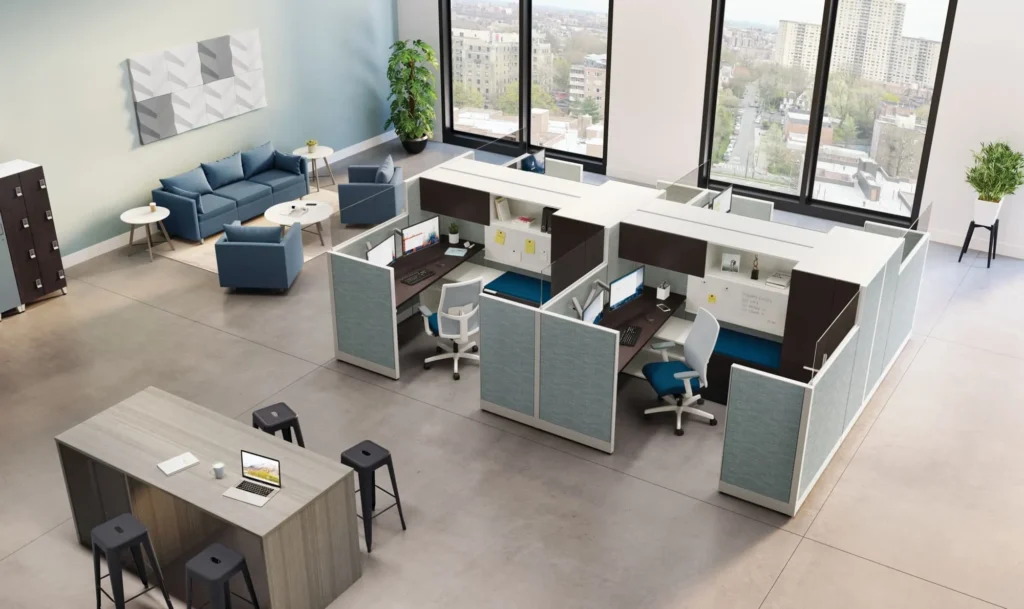
Apr
Selecting office furniture for a small business in Australia is not about filling a room with desks and chairs. It is about getting the most out of limited space, supporting a diverse team, and creating a workplace that actually helps people do their best work.
Understanding the Needs of a Small Business Office
The reality of space constraints in Australian offices
If you run a small or medium business, you already know the pain of trying to fit more people, more functions, and more gear into the same floor area. Commercial rent in many Australian locations pushes you to squeeze every square metre, which means your furniture decisions carry a lot of weight.
When space is tight, the wrong furniture locks you in. Oversized desks, bulky storage, or rigid layouts that cannot shift as your team grows will cost you time and money later. You want furniture that works hard in compact footprints and can adapt as your business changes.
As you think about your space, ask yourself:
- How many distinct zones do you actually need, such as focus work, collaboration, reception, meeting, storage, and breakout, not just rows of desks.
- Where do people naturally gather or move through, for example, entry paths, printer zones, kitchen access, and how can furniture support that flow instead of blocking it.
- What absolutely needs a fixed position, such as cabling heavy workstations or reception, and what can be flexible, such as hot desks, mobile storage, or touchdown points.
Well chosen furniture helps you use vertical space, corners, and underutilised areas. Think in terms of footprint per function, not just cost per item. The right workstation or storage unit should solve more than one problem, especially when you do not have the luxury of spare rooms.
Diverse workforce needs in a small team
Australian small and medium businesses often have mixed roles and mixed work styles sitting side by side. You might have sales, operations, finance, and leadership all in the same open area. That means one size fits all furniture rarely works.
There are a few common pressures you need to balance.
- Different body types and comfort levels. People vary in height, weight, posture, and physical needs. Fixed height desks and basic chairs often lead to discomfort and complaints.
- Different work patterns. Some roles live in spreadsheets, some are on calls all day, some bounce between meetings and focused work. They use furniture differently.
- Different expectations about the workplace. A younger hire might expect flexible spaces and modern ergonomic setups. A long term staff member might value a consistent, personal workstation.
If you ignore this diversity, you end up with a layout that works for nobody. People bring in their own cushions, work from the kitchen table, or avoid using meeting rooms that feel cramped or uncomfortable. It drags on productivity and morale.
Instead, aim for adjustability and choice. For small businesses, that usually means:
- Ergonomic task chairs with adjustable height, lumbar support, and armrests.
- Desks that can be tailored to different users, whether through height variation, screen arms, or sit stand options where appropriate.
- A mix of work settings, such as open workstations, quiet nooks, small meeting points, and casual zones, so people can choose where they work best.
Productivity is shaped by the furniture you choose
You can have a great team and still lose productive hours every day if your furniture works against them. Poorly planned workstations lead to clutter, awkward screen positions, constant interruptions, and noise bouncing around the room.
Productive small offices usually share a few traits.
-
-
- Clear sightlines and access. People can move easily between desks, storage, and meeting areas without weaving through obstacles.
- Thoughtful separation of quiet and loud zones. Furniture placement helps protect focus work from constant chatter or phone calls.
<li
-
Enough surfaces and storage for the work style. That might mean larger bench style desks for layout heavy roles or compact desks with smart storage for digital first roles.</li
When you look at a potential desk, table, or storage unit, do not just ask if it fits in the room. Ask if it reduces friction for the way your team actually works. If a piece of furniture regularly forces people to get up, shuffle items around, or negotiate space, it is costing you more than its purchase price.
Comfort is not a luxury, it is a productivity tool
Australian businesses are more aware of work health and safety expectations, and that includes how you set up workstations. Poor quality chairs, bad desk heights, and cluttered setups can lead to discomfort, distraction, and more time away from work.
Comfort is not only about soft seating. It is about sustained support over a full workday. That includes:
- Ergonomic seating that supports the lower back, allows natural movement, and can be adjusted to suit different users.
- Work surfaces at the right height so people are not hunching over keyboards or reaching up to use monitors.
- Proper equipment placement with space for monitors, keyboards, and accessories arranged for neutral posture.
- Breakout areas that encourage real breaks, not just standing in a hallway or hovering near a printer.
Comfort directly influences how long people can focus, how they feel about coming into the office, and how they speak about the business to clients and new hires.
Aligning your workspace with your business goals
Your office is a physical expression of how you run your business. If your furniture looks temporary or pieced together, it sends a message, even if you do not intend it to. The goal is not luxury for the sake of it, the goal is alignment.
Before you choose anything, get clear on a few points.
- How you want people to work. More collaboration, more focus time, more flexibility, or a mix. Your layout and furniture choices should support that.
- How fast you expect to grow. If you are planning to add headcount or change your service mix, you want modular, reconfigurable furniture that can scale with you.
- How you want clients and partners to feel when they visit. Your reception, meeting rooms, and shared areas should match the level of professionalism you expect from your team.
When you look at your office through this lens, furniture becomes part of your business strategy, not just an expense. You can choose pieces that respect your space limitations, support a diverse workforce, and create a productive, comfortable environment that actually helps your business grow.
Why Choosing the Right Office Furniture Matters
Office furniture is not décor, it is infrastructure. In a small or medium Australian business, the desks, chairs, and storage you choose will either support your people every day or quietly drain their energy and focus.
Furniture and employee wellbeing are directly linked
If your team spends long hours at workstations that are not set up properly, they feel it. Stiff backs, sore necks, tired eyes, and general fatigue are all common outcomes of poor furniture choices. Over time, that kind of discomfort shows up as lower engagement, more sick days, and a constant background grumble about the office.
Well designed commercial furniture, set up correctly, does the opposite. It reduces strain on the body, supports natural posture, and gives people enough flexibility to move and adjust across the day. That matters even more in Australian offices where many roles are heavily screen based.
When you think about wellbeing, look at your furniture through three lenses.
- Physical support. Does each workstation allow a neutral, relaxed posture, or are people twisting, hunching, or reaching?
- Movement across the day. Do your setups encourage small position changes, standing meetings, or varied work zones, or does furniture lock people into one static pose?
- Mental comfort. Does the layout feel orderly and considered, or cluttered and stressful, with nowhere comfortable to step away for a short reset?
You do not need luxury to support wellbeing. You need functional, ergonomic furniture that fits your team and space, and a layout that respects how humans actually work.
How furniture shapes productivity in commercial offices
Productivity is not only about software and processes. It is heavily influenced by how easy it is to sit, reach, move, share information, and focus. Poor furniture choices slow everything down.
Common productivity killers include desks that are too small for the work, chairs that require constant readjustment, meeting tables that are awkward for laptops, and storage that sits in the wrong location. Each small irritation means lost focus and more time wasted on basic tasks.
On the other hand, well chosen furniture supports productive habits.
- Ergonomic task chairs keep people comfortable for longer periods, which means fewer micro breaks just to stretch out a sore back.
- Appropriately sized desks give enough room for screens, paperwork, and accessories, so people are not constantly shuffling items just to start a task.
- Thoughtful meeting furniture, from tables to seating, makes collaboration smoother and reduces fatigue in longer discussions.
- Smart storage solutions keep daily items within easy reach and reduce time wasted on hunting for files or equipment.
When you plan your office, assume your team will repeat the same small movements and tasks thousands of times. Furniture that reduces friction in those micro steps has a compounding impact on productivity across the year.
Ergonomics is not a buzzword, it is risk management
In Australia, work health and safety expectations are clear. You have a responsibility to provide a workspace that does not create avoidable risk of injury or strain. Ergonomic furniture is one of the simplest ways to reduce that risk.
Good ergonomic pieces are designed to support the body in neutral positions. For commercial offices, that usually means:
- Ergonomic chairs with adjustable seat height, backrest angle, lumbar support, and armrests that can suit a wide range of users.
- Workstations that match the user, either through fixed heights chosen for specific roles or height adjustable options where needed.
- Monitor arms and accessories that allow correct screen height, distance, and angle without stacking screens on makeshift risers.
- Keyboard and mouse positioning that supports neutral wrists and relaxed shoulders.
When furniture aligns with ergonomic principles and Australian standards, you lower the chance of discomfort turning into injury. That means fewer claims, less absenteeism, and less time spent trying to retrofit fixes onto unsuitable products.
Your office image starts with what people sit on
Clients and candidates notice your space the moment they walk in. They might not comment on the brand of chair or desk, but they will form a view about how serious and organised your business is. Mismatched desks, wobbly chairs, and tired reception seating send a message you probably do not intend.
On the other hand, a cohesive set of workstations, practical storage, and comfortable meeting and reception furniture communicates that you run a professional operation. It shows you care about both staff and visitors, which reflects directly on your brand.
This does not mean you need a lavish fitout. It means you should aim for:
- Consistency in style and quality across desks, chairs, and tables, rather than a patchwork of leftover items.
- Furniture that suits your brand personality, whether that is clean and corporate, relaxed and creative, or something in between.
- Reception and meeting spaces that feel deliberate, with seating that is comfortable and practical for the types of discussions you host.
Your people also take cues from the environment. When you invest in decent furniture, they are more likely to respect the space, take pride in their work area, and feel valued by the business.
Long term value, not short term savings
Many small businesses in Australia have the same initial reaction to office furniture. Find the cheapest option that looks acceptable and move on. The problem is that low quality commercial furniture often fails early, cannot be adjusted, and does not support future layout changes. The upfront saving disappears as you replace or work around it.
When you view furniture as a long term asset, the decision process changes. You look at total cost of ownership, not just the initial invoice.
- Durability. Will the item stand up to daily commercial use across multiple years, or will mechanisms and surfaces wear out quickly?
- Warranty and support. Is there meaningful backing from the supplier, or will you be on your own if something fails?
- Flexibility. Can the furniture be reconfigured, moved, or expanded as your team grows or your layout changes?
- Compliance and safety. Does it align with Australian standards and WHS expectations, or are you taking on risk to save a small amount?
Australian made commercial furniture often performs well in this context. Local suppliers understand local standards, can respond faster if something goes wrong, and are more likely to offer ranges that can be expanded or reconfigured as your office evolves.
Where Officely fits into the picture
Choosing the right furniture is not about browsing a catalogue and guessing. It is about matching ergonomic, visual, and functional requirements to the way your business actually runs. This is where working with a team that lives and breathes commercial fitouts across Australia makes a real difference.
Officely focuses on custom office furniture fitouts for businesses of all sizes. That means we look at your workflows, your growth plans, and your space, then recommend ergonomic, Australian made options that protect wellbeing, support productivity, and maintain a professional image over the long term.
When you approach furniture as a strategic choice rather than a one off purchase, you get an office that works for your people, impresses your clients, and makes financial sense over time. That is why the right office furniture matters far more than most businesses realise at the start.
Key Considerations When Selecting Office Furniture
Once you are clear on how your team works and what your space has to do, you can get practical about choosing the right furniture. This is where many small and medium Australian businesses either set themselves up for years of smooth growth or lock in ongoing headaches.
Use these core considerations as your filter so you are not just buying what looks good on a page, you are buying what will actually work in your office.
1. Space optimisation comes first
In commercial offices with limited square metres, every piece of furniture has to earn its footprint. You are not only buying a desk or a storage unit, you are buying the space it occupies, every hour of every day.
Think in terms of function per square metre.
- Know your circulation paths. Map how people move from entry to workstations, meeting rooms, storage, and breakout areas. Furniture should support those paths, not choke them.
- Use corners and vertical space. Tall storage, wall mounted elements, and corner workpoints can free up central floor space for collaboration or extra headcount.
- Favour modular systems. Workstations and storage that connect, stack, or reconfigure give you options as your team grows or changes layout.
- Plan for growth now. If you expect to hire more staff, choose ranges that let you add matching desks, pods, or storage without starting again.
Officely approaches space planning with a commercial mindset. The goal is to squeeze maximum function from your footprint without making the office feel cramped or chaotic. That is where custom fitouts pay off, because every workstation, screen, and storage unit is placed with intent.
2. Style and brand alignment without the fluff
Your office does not need to look like a catalogue, but it does need to be consistent with your brand. Clients, candidates, and staff all read your space, even if they cannot articulate it. If your brand is sharp and professional but your office looks mismatched and temporary, that disconnect undermines confidence.
To keep style working for you, not against you, focus on a few key levers.
- Choose a core palette. Select a small set of finishes and colours that align with your brand identity, then stick to them across desks, storage, and meeting furniture.
- Keep lines consistent. If your brand leans clean and modern, choose simple, streamlined furniture. If you lean more relaxed, you might introduce softer forms and warmer finishes.
- Prioritise public facing areas. Reception, meeting rooms, and shared spaces should get the most visual attention, because they carry the weight of first impressions.
Australian made furniture ranges often offer coordinated systems, which makes it easier to stay visually consistent as you expand. Officely can pull from local ranges and custom elements so your space feels deliberate, not pieced together over time.
3. Durability for real commercial use
Office furniture in a commercial setting works hard. Desks carry equipment all day, chairs handle constant use, storage opens and closes hundreds of times. If you buy on looks alone, you end up replacing items far sooner than you expected.
When you assess durability, consider these factors.
- Commercial grade construction. Ask whether the range is designed for commercial office use, not light home use. Commercial pieces are built for higher frequency and load.
- Materials and finishes. Look for worktops and frames that resist scratches, stains, and impact. Also consider how easily they can be cleaned in a busy office.
- Mechanisms and moving parts. Chair adjustments, sit stand bases, drawer runners, and hinges are often the first points of failure. Quality components here make a big difference to lifespan.
- Warranty and local support. Australian made furniture usually comes with practical support from local suppliers, which helps when something needs repair or replacement.
Officely works heavily with Australian manufacturers for this reason. Local commercial ranges are built for local expectations and standards, and support is accessible if something goes wrong. That matters when you have a whole team relying on that chair or workstation every day.
4. Functionality for the way you actually work
At a glance, most desks and chairs look similar. In use, the differences are obvious. Functionality is about how well furniture supports the real tasks, tools, and habits in your business.
Work through these layers.
- Task suitability. Does each role have the surface area, equipment support, and storage it needs? A design role, for example, often needs more bench space than a mostly digital admin role.
- Cable and tech management. Australian offices are tech heavy. Look for workstations with cable channels, power access, and monitor arm support so you do not end up with trip hazards and visual clutter.
- Adjustability. Height adjustable chairs, flexible monitor arms, and (where appropriate) sit stand desks support a wider range of users over time.
- Multi use areas. Meeting tables that can host workshops, video calls, and quick stand ups save space and budget. The same applies to storage that can separate teams, control acoustics, and hold equipment.
Officely’s process starts with your workflows. We look at who uses which zones, how long they sit, what they use, and how they interact, then match furniture features to those patterns. That is how you avoid paying for features nobody uses or, worse, missing features that would make daily work easier.
5. Why Australian made furniture fits these needs so well
If you are running a business in Australia, there are practical reasons to favour Australian made office furniture, beyond the feel good factor of buying local.
Compliance and standards
Local manufacturers work within Australian standards for safety, ergonomics, and materials. That matters for:
- Work health and safety expectations for seating and workstations
- Fire and materials compliance for commercial buildings
- Weight capacities and structural integrity for daily commercial use
When your furniture aligns with those standards, you lower risk and avoid messy retrofits later.
Lead times and flexibility
With Australian based production, lead times are often more predictable, and you have more flexibility to tweak finishes, sizes, or configurations. That helps when you are working to lease deadlines or coordinating around other trades during a fitout.
Consistency over time
As your team grows or you open another office, you can go back to the same Australian made range for extra workstations, matching storage, or new meeting tables. You keep visual and functional consistency across your sites instead of mixing in whatever is available at the time.
Officely leans into these advantages. By working closely with Australian manufacturers, we can design custom fitouts that tick all the boxes, space optimisation, style, durability, and functionality, while staying aligned with local standards and supply realities.
Bringing it together in a practical selection process
If you want a simple way to pressure test each furniture choice, use this checklist for every major item you are considering.
- Does it earn its footprint? If space is tight, does this piece deliver enough function for the area it occupies?
- Does it match our brand? Will it look consistent in style, colour, and finish with the rest of the office and the impression we want to create?
- Will it last under real use? Is it commercial grade, durable, and supported locally if something fails?
- Does it support how we work? Does it suit the tasks, tech, and habits of the people who will use it daily?
- Can we extend it later? Can we add more units, reconfigure, or reuse it in a different layout as the business evolves?
If an item fails more than one of those questions, it probably does not belong in your office. When you apply this kind of discipline, supported by Australian made options and a partner like Officely who understands commercial fitouts, you end up with a workspace that feels intentional, supports your people, and can grow with your business without constant rework.
Custom Fitouts Tailored to Your Business Size and Needs
Buying a few desks from a catalogue and hoping they fit is one approach. Getting a custom fitout that is designed around your space, your people, and your workflows is a very different level of result. If you are serious about getting long term value from your office, the second option is where you should be aiming.
Custom office furniture fitouts are not only for huge corporate headquarters. They are often most powerful for small and medium Australian businesses that have limited space, ambitious growth plans, and a mix of roles packed into one floor. This is exactly where a local specialist like Officely earns its keep.
Why “custom” matters more for small and growing teams
Smaller offices do not have the luxury of wasted corners or oversized boardrooms that sit empty. Every square metre carries real cost. When you rely on generic furniture, you usually end up with dead zones, awkward circulation, and workstations that do not quite fit how your team operates.
A custom fitout flips that. Instead of forcing your workflows to suit the furniture, the furniture is selected and arranged to suit the way your business runs today and the way you expect it to run next.
A good custom plan typically considers:
- Exact room dimensions and constraints, including columns, windows, doors, and existing services.
- Headcount now and headcount later, so you are not tearing everything up when you add the next group of staff.
- Role types and work modes, from focus intensive work to high collaboration roles and client facing activity.
- Technology and storage needs, which often dictate more of the layout than people expect.
When you design from these inputs, you get a layout that feels intentional rather than cobbled together, even if your business is still relatively small.
Designing for business growth without constant refits
Most Australian businesses plan to grow, but their furniture choices do not always reflect that. They buy a cluster of desks that works for today, then discover they cannot add more staff without blocking walkways or sacrificing meeting space.
A custom fitout focuses on scalability from the start.
- Modular workstation systems that can expand from a few people to many, while keeping a consistent look and ergonomic setup.
- Reconfigurable zones where tables, storage, and seating can be rearranged without needing new furniture every time.
- Services planned for growth, for example power and data access positioned so you can add more workpoints without running messy surface cables.
- Furniture ranges with matching extensions such as extra desks, returns, screens, and storage, ready when you grow.
Officely leans into this growth mindset. When we design a fitout, we look at your [insert forecast period] view, not just your next [insert time horizon]. The goal is a layout that can be scaled, not scrapped, when you hire more people or shift your service mix.
Matching furniture to team dynamics and work styles
Two businesses with the same headcount can need completely different layouts. It comes down to how people interact. That is where custom fitouts pull away from generic options.
When Officely looks at your team, we pay attention to:
- Collaboration intensity. Do people spend more time in solo focus work, or are they constantly jumping into quick discussions and problem solving?
- Noise sensitivity. Which roles need quiet concentration, and which can sit in higher traffic zones without losing effectiveness?
- On site versus remote mix. How many people are in the office on a typical day, and how often do you host visitors or remote staff?
- Manager and leader positioning. Do you want managers embedded with their teams, slightly separate, or moving between areas?
From there, furniture becomes a tool to support the way your people actually work together.
- Workstation clusters can support team based pods, or you can separate roles that handle sensitive information.
- Soft seating and high tables can support quick catch ups without booking a formal room.
- Screening and storage units can give teams visual separation and acoustic support while keeping lines of sight open.
This is not about making the office look fancy. It is about designing the layout and furniture so your team dynamics work in your favour, not against you.
Building workflows into the floorplan
Workflow is where most ad hoc furniture purchases fall down. People buy a nice looking desk, then discover it blocks the path between the printer and the meeting room, or forces staff to walk laps around the office to grab basic supplies.
Custom fitouts start with workflows, then add furniture, not the other way around.
A structured workflow review usually covers:
- Entry and reception flow. How visitors arrive, wait, and move into meeting spaces.
- Daily staff movement. Paths to and from workstations, kitchens, print areas, storage, and quiet zones.
- Team specific processes. For example, how documents, equipment, or samples move between roles.
- Shared tools and touchpoints. Where shared screens, whiteboards, and technology hubs sit in relation to the people who use them.
Officely then uses furniture as a way to guide and support those flows.
- Workstations positioned to reduce cross traffic through focus zones.
- Storage placed at the point of use so people are not criss crossing the office all day.
- Meeting and collaboration points located where they can be reached easily without disturbing others.
- Clear circulation paths that meet Australian safety expectations and feel natural to use.
When workflows drive the layout, your office feels easy to navigate and productive to work in, even as the team grows.
Why working with a local Australian fitout partner matters
You can buy furniture from anywhere. You cannot, however, buy local context and on the ground experience from a generic online catalogue.
Working with a local partner like Officely gives you some very practical advantages.
1. Alignment with Australian standards and conditions
Australian businesses operate within clear workplace, building, and safety expectations. Local fitout specialists understand how these play out in real offices. That includes:
- Clearances for aisles and exits.
- Ergonomic considerations for typical Australian work practices.
- Material and fire related requirements for commercial spaces.
Officely designs with these in mind from the start, instead of trying to retrofit compliance around imported furniture that was never intended for this environment.
2. Reliable access to Australian made furniture
Custom fitouts work best when you can rely on consistent product ranges and realistic lead times. Officely works closely with Australian manufacturers so we can:
- Adjust dimensions, finishes, and configurations to suit your exact layout.
- Coordinate delivery and installation around other trades and your lease timing.
- Return to the same ranges when you expand, keeping a consistent look and function.
This is particularly important for growing businesses that know they will add more workstations, storage, or meeting areas in future.
3. Hands on planning, not guesswork
A local fitout partner can visit your site, measure accurately, and spot issues that are invisible on a basic floorplan. Things like low windowsills, bulkheads, or awkward structural elements often dictate how furniture should sit.
Officely uses that site insight to produce layouts that work in the real world, not just on paper. We help you sequence decisions, from base layout to finishes, so you are not making isolated choices that clash later.
How Officely approaches a custom fitout project
If you want a clear picture of what working with a local expert looks like, here is a straightforward framework Officely typically follows.
- Discovery and briefingWe sit down with you to understand your business model, team structure, growth plans, and any non negotiables. We look at your space, your lease conditions, and your existing furniture, if any.
- Workflow and zoning planWe map out zones for focus work, collaboration, meeting, storage, and social areas, then define how people and information move between them.
- Furniture selection and configurationWe match specific workstation systems, seating, storage, and meeting furniture to each zone. This is where ergonomic features, Australian made options, and budget bands are balanced.
- Refinement for growth and flexibilityWe pressure test the layout against your growth expectations. Where can extra desks be added, which zones can flex, and how easily can furniture be reconfigured without major cost.
- Installation and adjustmentWe coordinate delivery and installation so disruption is minimised. Once people move in, we can fine tune elements like screen positions, storage allocation, and seating to match real use.
By the end, you are not guessing whether a random desk will fit in the corner. You have a coherent, scalable office built around the way your business works, using commercial grade, often Australian made furniture that will support you for the long term.
Custom fitouts are not about perfection, they are about intention. When you work with a local partner like Officely, you get a workspace that reflects where your business is today and where you plan to take it, without wasting space, budget, or staff energy along the way.
Ergonomic Furniture Benefits and Features
Ergonomic furniture is not a nice to have for commercial offices, it is a practical tool to protect your team, lift productivity, and reduce hidden costs. If your people sit at a workstation for long stretches, the design of that chair, desk, and monitor setup directly affects how they feel and how well they work.
Why ergonomics should be non negotiable in your office
When furniture does not fit the person, the body compensates. People hunch, twist, reach, and perch on the edge of chairs. Over time, those habits lead to discomfort and can contribute to injuries that take people out of the business.
Good ergonomic furniture does the opposite. It supports the body in neutral positions, spreads load across the right areas, and allows people to adjust their setup to match their height, build, and work style. For Australian small and medium businesses that rely heavily on computer based work, this is not a luxury. It is smart risk management.
Think of ergonomics in three layers.
- Posture, how people sit or stand for most of the day.
- Movement, how easily they can shift position and reach what they need.
- Recovery, how their body feels at the end of the day and over the course of a busy week.
If your current furniture leaves people stiff, sore, or tired at the end of a normal day, it is working against you.
The core benefits of ergonomic furniture for your business
When you invest in proper ergonomic chairs, desks, and accessories, you are not only ticking a compliance box. You are buying very specific business benefits.
- Reduced discomfort during the workday. When people sit with better posture and less strain, they do not spend half the day fidgeting, stretching, or shifting around to get comfortable.
- Improved focus and output. Physical discomfort is distracting. Remove that distraction and your team has more attention available for clients, projects, and problem solving.
- Lower risk of workplace injuries. Poor setups can contribute to issues like neck and back strain or repetitive use problems. Ergonomic furniture, set up correctly, reduces that risk.
- Fewer unplanned absences. If people are less likely to develop ongoing discomfort, they are also less likely to need time away from work to deal with it.
- Better staff retention and perception. When staff see that you have invested in quality ergonomic setups, it sends a clear signal that you take their wellbeing seriously.
Comfort is not a perk, it is a performance factor. When your team is supported physically, they have more energy available for the work that actually grows your business.
Key ergonomic chair features to look for
In most commercial offices, the task chair does a lot of heavy lifting. It supports the body for long periods and has to work for different people across the life of the business. A cheap, non adjustable chair is a false saving.
For Australian offices, an ergonomic task chair should usually include:
- Adjustable seat height. So feet can rest flat on the floor and knees can sit at roughly a right angle. This avoids pressure under the thighs and awkward leg positions.
- Seat depth adjustment or appropriate depth options. So shorter and taller users can sit back comfortably against the backrest without the front of the seat cutting into the back of the knees.
- Contoured backrest with lumbar support. The chair should support the natural curve of the lower back, not force a flat or exaggerated posture.
- Backrest tilt and tension control. People should be able to lean back slightly and vary posture across the day, with tension that matches their weight and preference.
- Adjustable armrests. Height (and in some cases width) adjustment helps keep shoulders relaxed and avoids reaching or shrugging while typing.
- Stable base and casters. A solid base with smooth movement reduces the strain of twisting or reaching across the desk.
For shared workstations or hot desking areas, adjustability becomes even more important, because different people use the same chair. Officely focuses on commercial grade ergonomic chairs that are designed for this kind of regular adjustment and daily use.
Ergonomic desks and workstations that suit real work
The desk is more than a flat surface. Its height, depth, and layout all affect posture and reach. In Australian commercial offices, you will usually choose between fixed height workstations and height adjustable options, and both can be ergonomic when planned properly.
Key considerations for ergonomic desks include:
- Appropriate working height. Whether fixed or adjustable, the setup should allow forearms to rest at a comfortable angle while typing, with shoulders relaxed.
- Sufficient depth. There needs to be enough space for monitors to sit at a suitable viewing distance, with room for a keyboard and documents without forcing people to perch on the edge.
- Space for monitor arms. A compatible worktop and structure so you can mount monitor arms and position screens at eye level, instead of relying on improvised risers.
- Clear leg space. No intrusive frames where knees should be, and no clutter of cables or storage that forces awkward leg positions.
- Height adjustable options where appropriate. Sit stand desks can be valuable for roles that are at a screen constantly. The key is quality mechanisms and proper training so people use them well rather than treating them as a novelty.
Officely selects workstation systems with proper cable management and accessory support so you are not stuck with messy setups that undermine the ergonomic benefits you paid for.
Accessories that complete an ergonomic setup
Chairs and desks do most of the work, but a few small accessories can make the difference between a good workstation and a great one. The goal is to bring screens, keyboards, and other tools into positions that support neutral posture.
Useful ergonomic accessories for Australian offices include:
- Monitor arms. These allow you to set correct screen height, distance, and angle, and to adjust quickly for different users. They also free up desk space.
- Keyboard trays or careful keyboard placement. This helps keep wrists in line and shoulders relaxed, instead of reaching up to a high work surface.
- Footrests. Helpful for shorter staff who cannot rest their feet flat on the floor when the chair is at the correct height for the desk.
- Document holders. Placed between the keyboard and monitor, they reduce the constant twisting of neck and spine when referencing printed material.
- Task lighting. Focused lighting at workstations can reduce eye strain, especially in areas where overhead lighting is not balanced.
When Officely designs a fitout, we treat these accessories as part of the workstation system, not as optional extras. If they are overlooked, you often end up with good furniture used in a poor way.
Working with Australian ergonomic standards in mind
Australian workplaces operate under clear work health and safety expectations. While you do not need to become an ergonomics expert, you do need to show that you have taken reasonable steps to provide safe, comfortable work setups. Furniture choices are a straightforward way to do that.
When you align with relevant Australian standards for seating, desks, and workstation design, you gain a few advantages.
- Clearer risk management. Furniture that meets recognised standards is less likely to create avoidable posture and strain problems.
- Better fit for typical Australian work practices. Local manufacturers and suppliers design with local office environments in mind.
- Stronger documentation trail. When you are questioned about workstation safety, it is far easier to point to compliant, commercially rated products than to justify improvised or domestic items.
Officely leans on Australian made ranges that are developed around these standards. That makes it simpler for you to demonstrate that your office has been furnished in line with local expectations, rather than relying on imported items that may not align.
How ergonomic choices reduce injuries and absenteeism
You cannot prevent every injury, but you can remove a lot of avoidable strain. Poor workstations encourage awkward neck angles, extended reaches for keyboards and mice, and static postures that load the same joints and muscles for long periods. Over time, those patterns can contribute to issues that require medical attention and time away from work.
Quality ergonomic setups help in a very practical way.
- Neutral neck and shoulder positions reduce the load that leads to stiffness and headaches.
- Proper back support spreads the load across the spine and reduces the chance of ongoing lower back discomfort.
- Good wrist and arm positioning lowers strain from typing and mouse use.
- Encouraged movement, through adjustable chairs and sit stand options, reduces the impact of long static sitting.
When you combine ergonomic furniture with basic training on workstation setup and posture, you reduce the chance that daily work slowly erodes staff comfort. Less discomfort means fewer informal breaks just to recover, and a lower likelihood of formal absences for work related strain issues.
How Officely builds ergonomics into every fitout
Ergonomics is not an optional layer that gets bolted on at the end of a project. In a well designed commercial office, it is baked in from the first layout sketch through to the final chair adjustment.
Officely approaches ergonomic planning in a structured way.
- Understand tasks and time at workstationWe identify which roles are at a desk for long stretches, which split time between meetings and screen work, and which move around more. This influences where we prioritise advanced ergonomic features.
- Select commercial grade ergonomic chairs and desksWe specify Australian made or locally supplied ranges that offer the right adjustability and support for real office use, not light domestic use.
- Integrate accessories into the designMonitor arms, cable management, and any required footrests or document supports are specified as part of the workstation, so they are budgeted and installed correctly.
- Plan layouts to support healthy useWe position workstations, breakout areas, and collaboration spaces to encourage natural movement and variation across the day.
- Support setup and adjustmentAfter installation, we help ensure workstations are configured correctly for real users, so the ergonomic features you paid for actually get used.
The goal is simple. Your team should be able to walk into the office, sit or stand at their workstation, and get on with their work without fighting the furniture. With a considered ergonomic approach and the right Australian made products, that is exactly what you can achieve.
Sourcing Locally: The Advantages of Australian-Made Office Furniture
When you are fitting out a commercial office in Australia, where you buy from matters just as much as what you buy. Choosing Australian made office furniture is not only a feel good decision, it is a practical move that affects your delivery timeframes, compliance, sustainability profile, and long term support.
If you want a workspace that runs smoothly instead of constantly fighting small issues, local sourcing should sit high on your priority list.
Faster, more predictable delivery and installation
Long lead times and uncertain delivery windows can derail an office move or upgrade. If you have a lease start date, staff waiting to move in, and other trades booked, you cannot afford furniture that gets stuck in transit or delayed at the last minute.
Australian made furniture gives you firmer control over timing.
- Shorter supply chains. Production, warehousing, and logistics are all within Australia, which cuts out a lot of the uncertainty that comes with overseas shipping.
- More accurate lead time forecasts. Local manufacturers have better visibility of their own production schedules, so you get realistic dates rather than optimistic guesses.
- Flexibility when things change. If you need to tweak quantities, finishes, or a delivery date, it is far easier to adjust when the product has not travelled across borders.
- Smoother coordination with fitout works. Installers and other trades can align around local deliveries without the variable of international freight.
Officely leans on Australian made ranges for this reason. When we plan a fitout schedule, we can coordinate manufacturing, delivery, and installation so your office is ready when your team needs it, not weeks later.
Built to align with Australian standards and WHS expectations
As an Australian employer, you are operating under local work health and safety requirements and commercial building standards. Your office furniture should make compliance easier, not create new headaches.
Australian made commercial furniture is designed within this regulatory environment.
- Workstation ergonomics. Local manufacturers design seating and desks with typical Australian office use in mind, which aligns more closely with ergonomic guidance used by local WHS professionals.
- Materials and fire performance. Many commercial buildings require specific material performance for safety. Australian suppliers are familiar with these expectations and design ranges accordingly.
- Structural strength and durability. Commercial grade ratings are tested for the way local offices use furniture, which is different from domestic expectations.
- Documentation support. When you need product specifications or compliance details for your records or building management, local manufacturers can supply them quickly.
If you have ever tried to justify a non compliant imported product to a building manager or safety consultant, you know how time consuming that can be. Local, commercial grade furniture sidesteps a lot of that friction.
Officely works closely with Australian manufacturers that build to relevant standards for commercial seating, desks, and storage. That keeps your risk lower and your compliance conversations straightforward.
Sustainability that fits real business goals
Many Australian businesses want a lower environmental impact, but they do not have time to audit every supplier in detail. Sourcing locally is a practical step that aligns with that goal without turning you into a full time sustainability manager.
Australian made office furniture can support a more responsible footprint in a few clear ways.
- Reduced transport emissions. When furniture does not travel across oceans, you cut a significant chunk of transport related impact out of the equation.
- Local regulatory oversight. Australian manufacturers operate under local environmental and labour regulations, which sets a baseline for how materials are sourced and how factories operate.
- Transparency on materials. It is easier to get information about board, fabrics, foams, and coatings from a local supplier who knows their supply chain.
- Repair and refurbishment options. When products are made locally, it is more practical to source spare parts, replacement components, or refurbishment services rather than sending items to landfill.
If your clients or stakeholders ask about the environmental profile of your office, being able to say that your furniture is largely Australian made is a straightforward, credible answer.
Officely often specifies local ranges not only for quality, but because they give our clients a more sustainable story without introducing complexity. You get durable furniture that can be serviced and reused, instead of imported items that are cheaper to throw away than repair.
Supporting the local economy while protecting your own operations
Buying Australian made furniture supports local jobs and skills, but it is also a strategic move for your own business resilience.
Stronger local supply chains mean fewer nasty surprises.
- Economic support close to home. Your spend circulates through Australian manufacturers, installers, and logistics providers who are part of the same market you serve.
- Faster response when something goes wrong. If a product arrives damaged or a component fails, a local manufacturer can respond with parts or replacements far faster than an overseas supplier.
- Stable product ranges. Australian manufacturers are less likely to discontinue or radically change core commercial ranges without notice, which helps when you want to match existing furniture later.
- Local knowledge baked into design. Products are created with local office conditions in mind, including typical floor plates, ceiling heights, and technology setups.
For small and medium Australian businesses, this reliability matters. You do not have spare offices sitting empty while you wait on replacement parts from overseas.
Officely’s relationships with Australian manufacturers mean we can advocate for you directly. If there is an issue, you are not dealing with a faceless overseas call centre, you have a local team pushing for fast, practical resolutions.
Consistency and flexibility as your business grows
One of the hidden costs of buying ad hoc, imported furniture is that you often cannot get the same product later. When you grow, you end up mixing ranges, colours, and heights, which makes your office look patchy and can create real functional issues.
Australian made ranges give you far better continuity.
- Reorder friendly systems. Many local manufacturers build modular workstation and storage systems that stay in production for extended periods.
- Customisable finishes within a standard framework. You can tweak colours and finishes to suit new areas while staying within the same base system.
- Matching add ons. When you need extra returns, screens, or storage units, you can source them to match what you already have in place.
- Layout flexibility. Because systems are designed to reconfigure, you can adjust pods and zones without replacing the core furniture.
For a growing business, that means you can expand in stages without your office starting to look like a second hand warehouse. Your brand stays consistent, and your staff are not stuck at misaligned desks while newer hires sit at different systems.
Officely uses Australian made systems precisely because they support this staged growth. We can plan your first phase with a clear path for adding more workstations, meeting areas, and storage later, using the same core product family.
Better service, support, and customisation
When your supplier sits in a different country, getting support is slow and often frustrating. With Australian made furniture, the people who designed and built your products are within reach.
This has real impact across the life of your office.
- Custom dimensions and configurations. If you have an awkward niche, unusual wall length, or specific storage need, local manufacturers can often adjust dimensions or layouts to suit.
- Finish matching over time. When you upgrade or add pieces, it is easier to match finishes so your office remains cohesive.
- Responsive warranty support. Warranty questions, parts, and repairs can be handled locally, which keeps downtime low.
- On the ground feedback loop. Officely can relay what we see in your offices back to manufacturers, which helps refine products and solve recurring issues.
Instead of treating furniture as disposable, you can treat it as a long term asset because you have local partners who can support repair, adjustment, and expansion.
How Officely leverages Australian-made furniture for better outcomes
Officely is not just buying from an online catalogue and passing products through. We work closely with Australian manufacturers to design fitouts that respect your space, budget, and growth plans.
In practice, that looks like this.
- Product selection tuned to Australian officesWe curate ranges that are proven in local commercial environments, with reliable lead times and consistent quality. You are not the test case for an unproven import.
- Custom fitouts that use local manufacturing strengthsBecause our suppliers are nearby, we can commission specific sizes, combinations, and finishes that let your layout work hard, even in tight or irregular spaces.
- Coordinated delivery and installationWe schedule production and delivery around your lease and construction milestones, then manage on site installation so downtime is kept to a minimum.
- Ongoing support as you evolveWhen you add staff, change teams, or open a new office, we can return to the same Australian made systems, extend them, and keep your workspace cohesive.
The outcome is simple. You get commercial grade, Australian made office furniture that arrives on time, meets local standards, supports your sustainability and brand goals, and can grow with your business. Sourcing locally is not an indulgence, it is a practical strategy for any Australian small or medium business that wants its office to work properly for the long term.
Balancing Budget with Quality: Tips for Small Businesses
You do not need an unlimited budget to create a smart, commercial grade office. You do need a clear plan. The goal is simple, spend where it makes a real difference, avoid false savings, and set yourself up so you are not rebuying the same items every [insert period] because the first choice failed.
This is where small and medium Australian businesses often get caught. They treat furniture as a one off setup cost, chase the lowest price, then live with wobbly desks, uncomfortable chairs, and layouts that cannot grow. You can do better than that without blowing your budget.
Start with a clear furniture budget strategy
Before you look at a single chair or desk, decide how you want to allocate your spend. A simple framework helps you keep emotion and impulse out of the decision.
Use this three tier approach.
- Tier 1, High impact items. These are pieces that staff use for long stretches or that carry your brand in front of clients. Think ergonomic task chairs, primary workstations, and key meeting tables.
- Tier 2, Supporting infrastructure. Storage units, side tables, secondary seating, and breakout furniture that staff use regularly but not all day.
- Tier 3, Nice to haves. Décor items, occasional furniture, and features that are good for atmosphere but do not drive productivity or safety.
Once you have those tiers, allocate a larger portion of your budget to Tier 1, a moderate amount to Tier 2, and whatever is left to Tier 3. If something needs to be cut, it should come from Tier 3 first, never from the core items that support people all day.
Officely often works with clients to map every planned item into these tiers before quoting. It keeps the conversation grounded in use and impact, not just whether a chair looks good in a photo.
Prioritise the right pieces, not every piece
In a small or growing office, you do not need premium quality on every single item from day one. You need premium performance where it matters most.
Focus your top spend on:
- Ergonomic task chairs for staff who sit most of the day. Poor chairs create discomfort, complaints, and in some cases, injury risks.
- Primary workstations that will stay in place for the long term. These should be commercial grade, with proper cable management and support for monitor arms.
- Client facing areas like reception seating and main meeting room tables, which shape first impressions and host key conversations.
Then, take a more conservative approach with items that are easier to upgrade later, such as decorative pieces, some breakout seating, or additional storage you might not fill immediately.
Officely helps you stage your investment. We can specify a solid backbone of Australian made workstations and chairs, then plan for later upgrades to non critical elements when cash flow allows.
Use modular and multi functional furniture to stretch your spend
If space and budget are both tight, modular and multi functional furniture is your best friend. The right systems can change shape as your team grows, which means your initial spend keeps delivering value across different layouts.
Look for modular systems that offer:
- Expandable workstation clusters that can start small and grow by adding matching units, instead of replacing whole desks.
- Shared components such as screens, legs, and storage that work across multiple layouts, reducing the number of unique pieces you need to buy.
- Reconfigurable storage that can sit against a wall today, then divide teams or zones later without looking out of place.
Multi functional pieces are equally powerful, for example:
- Storage units that double as space dividers, giving you both organisation and zoning for focus areas.
- High tables that work for team huddles, quick lunches, and laptop sessions instead of separate furniture for each use.
- Mobile pedestals and caddies that provide storage, can move with staff, and help reconfigure seating plans quickly.
When Officely designs a fitout, we often start with modular Australian made systems. The idea is simple, your first investment should be flexible enough to handle your next few phases of growth without starting again.
Understand total cost of ownership, not just the sticker price
A cheap desk that you replace twice is more expensive than a well built workstation that lasts across multiple layout changes. This is the difference between looking at price and looking at total cost of ownership.
When you compare options, run them through these lenses.
- Lifespan. Is the product designed for commercial use across many years, or is it intended for light domestic use? Ask what kind of daily use it is rated for.
- Maintenance and repair. Can you easily replace components like locks, castors, or mechanisms, or do you have to replace the whole unit when something fails?
- Warranty terms. Is the warranty long enough to cover a reasonable period of use, and does it come from an Australian based supplier who can actually service it?
- Adaptability. Can the furniture be reused if you move, grow, or shift your layout? Or is it so specific that it only works in the original plan?
- Impact on productivity and wellbeing. A cheaper chair that contributes to discomfort is not a saving once you factor in distraction, micro breaks, and potential time off.
If one option costs more upfront but survives longer, adapts better, and carries less risk, it is often the smarter choice. Australian made furniture often performs strongly on this total cost view because it is designed for local commercial conditions and supported locally.
Stage your fitout instead of trying to do everything at once
If your budget is tight, doing the whole office in a single wave with low grade furniture is a trap. A staged approach lets you get quality where you need it now, then fill in the rest over time.
A simple staging plan might look like:
- Stage 1, Core operationsFit out primary workstations with ergonomic chairs, commercial grade desks, and required storage for daily work. Make sure meeting spaces are functional, even if they are not visually finished yet.
- Stage 2, Client and collaboration areasUpgrade reception, main meeting rooms, and key collaboration zones so they match your brand and offer comfortable, practical spaces for interaction.
- Stage 3, Enhancements and extrasAdd or upgrade breakout furniture, secondary meeting areas, and aesthetic layers like feature pieces once cash flow has recovered.
Officely can design your layout with all three stages in mind from day one. That way, early purchases slot neatly into the longer term plan, and you are not buying temporary items that will be thrown out later.
Use Officely’s expertise to avoid expensive mistakes
Trying to manage budget, ergonomics, layout, and Australian standards on your own is a big ask, especially if you only do it a few times in your career. This is where having a local partner pays off.
Officely works with Australian businesses of all sizes, including those with very firm budget caps. We approach cost control with a practical mindset.
- We pressure test every major item against function, lifespan, ergonomics, and fit for your space before it hits your budget.
- We recommend Australian made ranges that deliver solid value over time, not just a low upfront price.
- We design for reuse and reconfiguration so future changes do not mean a full refit and another large invoice.
- We help you prioritise spend by mapping items to impact tiers and staging upgrades in a way that makes sense for cash flow.
The aim is simple. You get a commercial office that feels considered and professional, supports your team properly, and respects your budget. When you balance cost with quality using a structured approach, and you work with a partner who knows Australian fitouts inside out, you stop wasting money on short term fixes and start building an office that serves your business for the long term.
Planning Your Office Layout for Maximum Efficiency
A smart office layout does three things at once. It makes the best use of every square metre, it helps your team work together without stepping on each other’s toes, and it keeps you on the right side of Australian workplace requirements. If your current setup only half delivers on any of those, it is time to plan with more intent.
Start with how your business actually works
You cannot design an efficient layout from a blank template. You need to map how your business runs day to day, then shape the space around that.
Use this simple planning framework.
- List your core activities. For example, quiet focus work, calls, team problem solving, client meetings, admin and storage, informal catch ups.
- Group roles by work style. Who needs deep focus, who spends time on the phone, who moves around a lot, who meets with clients regularly.
- Identify critical tools and touchpoints. Printers, shared screens, storage, sample areas, server or tech hubs, kitchen and amenities.
- Note peak flows. When and where the office gets busy, such as arrival times, breaks, and typical meeting times.
This gives you a realistic picture of what your layout has to support. Officely starts here with every project, because guessing leads to layouts that look fine on paper and fail the moment real people start using them.
Zone your space for purpose, not just for furniture
Efficient offices are not a sea of desks with a random meeting room bolted on. They are a set of clear zones that each do their job well, with furniture that reinforces that use.
Think in terms of these core zones.
- Focus work zone
Workstations for roles that need concentration. This area should be protected from heavy foot traffic and loud conversations. Furniture here usually includes ergonomic workstations, screens or modesty panels for some separation, and nearby task storage. - Collaboration zone
Places where people can talk, plan, and problem solve without disturbing others. That might mean open collaboration tables, soft seating clusters, or high benches that suit quick standing huddles. - Formal meeting zone
Enclosed rooms or semi private areas for client meetings, reviews, and confidential conversations. Tables, meeting chairs, and AV friendly furniture land here. - Support and storage zone
Print hubs, bulk storage, sample libraries, and other shared resources. These should be central enough to reach easily, but not in the middle of focus areas. - Social and reset zone
Kitchen, breakout, and casual seating. These spaces give staff somewhere to reset away from the desk, which supports productivity and morale.
The key test: each zone should feel obvious just by looking at the furniture and layout. If everything blends into one, you will have noise and distraction problems no matter how good your chairs are.
Maximise space without making the office feel cramped
Commercial rent in Australia is not cheap. You want your office working hard, but you also need it to feel comfortable and safe to move through. Efficiency is not about cramming desks in until nobody can breathe.
Use these space planning rules of thumb.
- Protect circulation paths. Maintain clear walkways from entry to workstations, exits, amenities, and meeting rooms. Avoid placing storage or misaligned desks where people constantly have to sidestep each other.
- Work the perimeter and corners. Place fixed items such as storage, print hubs, or some focus workstations along walls and in corners, which frees the centre of the floor for flexible zones or collaboration areas.
- Design for realistic headcount. Plan for your typical on site numbers, not the absolute maximum you could squeeze in. If your team works in a hybrid pattern, accommodate core days rather than edge cases.
- Use furniture to create depth. Low storage, planter units, and partial screens can define areas without closing the space in. This keeps sightlines open and the office feeling larger than it is.
Officely typically models different furniture footprints and orientations to see where you gain or lose usable space. A small tweak, such as rotating workstation pods or swapping bulky storage for slimmer commercial units, can free meaningful circulation and collaboration space.
Design for collaboration without sacrificing focus
If you drop everyone into one open area, you get plenty of visibility and plenty of distraction. Efficiency comes from giving people quick access to each other without constant noise spilling into focus zones.
Use this structure to balance the two.
- Place collaboration close, not on top of people. Put high interaction zones near the teams that use them, but not directly adjacent to the most focus heavy desks. A small buffer of storage or circulation can make a big difference.
- Mix enclosed and open collaboration. Not every discussion needs a closed meeting room. Include open project tables, high benches, or banquettes where people can talk at a normal volume without needing formal bookings.
- Give solo focus a “home”. Identify seats or small rooms where staff can step away for deep work when needed. Furnish these with comfortable task seating, proper work surfaces, and minimal visual clutter.
- Use furniture as acoustic tools. Upholstered seating, screens, and storage units with acoustic treatments help absorb noise. Hard, reflective surfaces in every direction have the opposite effect.
Officely often uses zoned layouts where collaboration areas sit between team clusters or along natural circulation paths. That way, people can peel off for a quick chat without walking across the whole office or disturbing those who are concentrating.
Stay aligned with Australian workplace regulations
A layout that ignores workplace requirements is a liability. You do not need to become a compliance expert, but you do need to respect some clear principles so your furniture plan works with your building, not against it.
Key areas to keep in mind.
- Safe access and egress
Keep pathways to exits, fire stairs, and safety equipment clear. Desks, storage, and seating must not block required access points. Circulation widths should allow people to move comfortably without squeezing. - Workstation ergonomics
Layout and furniture choices should support safe, ergonomic setups. That includes enough depth and width at desks, clearance for chairs to move, and room to position monitors and accessories correctly. - Shared facilities
Access to amenities such as kitchens, bathrooms, and printing areas should be straightforward from all zones. Avoid layouts that force staff to walk long detours or pass through sensitive spaces to reach basic facilities. - Emergency visibility
Consider lines of sight for wardens or managers in an emergency. Furniture that creates hidden pockets can make evacuation and oversight harder.
Officely designs with typical Australian workplace and building expectations in mind from the start. That means your layout will be much easier to sign off with building management and safety advisors, and far less likely to need expensive adjustments later.
How custom fitouts make layout planning far more effective
Generic furniture forces you to compromise. Custom fitouts let you solve for your space, not for a catalogue page. This matters most in smaller or awkwardly shaped offices, which many Australian businesses are working with.
Custom planning helps you:
- Match furniture to your exact floorplate. Workstations, storage, and tables can be sized and configured to fit around columns, windows, and building services, instead of leaving dead zones or creating pinch points.
- Integrate power and data properly. A considered fitout plan locates floor boxes, wall outlets, and cable paths where they actually support your layout, which reduces trip hazards and visual clutter.
- Plan for future reconfigurations. Modular systems and consistent product families mean you can shift from, for example, a bank of four desks to a pod of six without buying everything again.
- Tailor zoning tools. Custom storage, planter units, and workwalls can divide space at the right heights and widths for your office, giving privacy where needed while keeping the space open.
Officely uses detailed floorplans and, where helpful, 3D views to test different layouts before anything is ordered. That way, you can see how circulation, sightlines, and collaboration points will feel, not just how many workpoints fit on a page.
Step by step layout planning with Officely
If you want a simple way to structure your own thinking, this is the same basic process Officely uses when planning efficient layouts for Australian offices.
- Assess your current and future needsClarify headcount, role mix, remote versus in office patterns, and expected growth over your next [insert planning period]. Identify any non negotiables, such as specific room types or technology hubs.
- Map zones and circulationDraw clear focus, collaboration, meeting, support, and social zones. Layer in primary pathways between entry, workstations, amenities, and exits. Adjust until flows are simple and logical.
- Select furniture by zoneChoose workstation systems, seating, tables, and storage that match the function and intensity of each zone. This is where ergonomic features and Australian made durability come into play.
- Refine for comfort and complianceCheck spacing, chair movement, and reach to shared facilities. Make sure exits, equipment, and amenities stay clear and accessible, and that focus zones are protected from obvious noise sources.
- Design in flexibilityIdentify where more desks, extra storage, or new collaboration points could go as you grow. Use modular systems and consistent ranges so you can add capacity without a full redesign.
Officely handles this process with you, not for you. We bring commercial fitout experience, knowledge of Australian made furniture ranges, and a sharp eye for how people actually use space. You bring your understanding of your team and business. Together, that produces an office layout that feels efficient, collaborative, and comfortable, without tripping over regulations or wasting square metres.
Partnering with Officely for Your Office Furniture Solutions
If you want an office that genuinely works for your business, you do not just need good products, you need the right partner. Someone who understands Australian commercial spaces, knows how teams actually use offices, and can turn a blank floorplan into a functional, ergonomic workspace without wasting your time or budget.
That is where Officely comes in. We are not a catalogue and a checkout. We are a fitout partner that works with Australian businesses of all sizes, from lean teams in compact suites to growing operations spread across multiple levels.
What Officely actually does for your business
Think of Officely as your bridge between how your business runs and the furniture that needs to support it. Our role is to translate your headcount, workflows, and brand into a practical, future ready office.
In practice, that means we:
- Plan your layout so every workstation, meeting area, and storage zone has a clear purpose and fits within Australian workplace expectations.
- Select and configure furniture that matches your work styles, ergonomic needs, and brand, with a strong focus on Australian made ranges.
- Coordinate supply, delivery, and installation so you are not juggling multiple vendors or dealing with logistics headaches.
- Support adjustments and growth after move in, so your fitout stays aligned with your team as it changes.
You get a single, capable partner who understands the full picture, rather than trying to stitch together a solution from scattered suppliers.
Flexible support for businesses of every size
Good fitout support should not be reserved for large companies with big budgets. Smaller Australian businesses usually have tighter space, tighter timelines, and more pressure on each decision. Officely is set up to work across that full spectrum.
For smaller teams or first offices, we focus on:
- Maximising every square metre, with workstation systems, storage, and meeting points that work in compact footprints.
- Prioritising key investments, such as ergonomic chairs and core workstations, while staging less critical items for later.
- Future proofing layouts, so you can add more seats or adjust zones without starting again.
For growing or multi site businesses, we focus on:
- Consistency across locations, using Australian made ranges that can be replicated and extended.
- Scalable workstation and meeting systems that handle increased headcount without losing comfort or function.
- Coordination with internal stakeholders, such as HR, IT, and operations, so the furniture plan supports broader business priorities.
The point is simple. Officely adjusts the process to match your scale and pace, instead of forcing you into a one size approach.
Why Officely focuses on Australian-made and ergonomic solutions
Your office furniture sits at the intersection of comfort, safety, and brand. Cut corners in any of those areas and you feel it quickly, especially in commercial spaces where people spend long hours at a desk.
Our approach is built on three pillars.
- Ergonomics first
We specify commercial grade ergonomic chairs, workstations, and accessories that support neutral posture and healthy movement. That reduces discomfort, protects you from avoidable WHS issues, and helps your team stay focused for longer. - Australian made wherever practical
Local products align more closely with Australian standards, have more predictable lead times, and are easier to support and expand over time. They also tend to be designed with real commercial use in mind, not light domestic conditions. - Durability and function ahead of trends
We care more about whether that chair will still feel solid after years of daily use than whether it matches a passing design fad. You get furniture that performs day in, day out, not pieces that look good for a few months then fail.
This mix of ergonomics, local manufacturing, and commercial durability means you are investing in a fitout that works across the long term, not just on move in day.
A clear, structured process instead of guesswork
Random purchases lead to random outcomes. Officely uses a repeatable structure so every fitout, large or small, moves through the right steps in the right order.
Here is the core framework we follow.
- Discovery and intentWe clarify how your business operates, how many people you need to seat now, how that might change over your next [insert planning period], and what kind of image you want clients and staff to experience in the space.
- Space planning and zoningWe map your floorplan into focus, collaboration, meeting, storage, and breakout zones, then plan circulation paths that respect comfort and access requirements. At this stage, we are thinking layout, not products.
- Furniture selection and configurationWe match each zone to specific workstation systems, seating, tables, and storage from trusted Australian suppliers. Ergonomics, durability, and brand alignment drive these recommendations, within your budget bands.
- Review and refinementWe walk you through the plan, adjust for any operational tweaks, and stress test it against future growth, technology needs, and potential layout changes.
- Delivery, installation, and setup supportWe manage the logistics, coordinate on site installation, and support workstation setup so people can use the ergonomic features correctly from day one.
You are involved at every decision point, but you do not have to design or coordinate every detail yourself.
How Officely helps you avoid common fitout mistakes
Most office frustrations trace back to a small group of avoidable mistakes. Officely’s job is to steer you around those from the start so you are not stuck fixing them later at higher cost.
Some of the issues we intentionally design out include:
- Underestimating space for movement
We protect circulation and chair movement from the beginning, instead of cramming workstations in and discovering blocked paths after installation. - Buying mismatched, one off pieces
We use coordinated systems that can scale, so your office does not end up looking and feeling like a patchwork of separate purchases. - Skipping ergonomic features to save short term cost
We push back on choices that might look cheaper now but create discomfort and risk later, especially around seating and workstation design. - Ignoring growth in the layout
We plan clear options for extra desks and reconfigured zones, so adding staff does not mean starting from scratch. - Leaving technology as an afterthought
We factor power, data, and AV needs into workstation and meeting furniture decisions, which avoids tangled cables and improvised fixes.
This kind of prevention is hard to do if you only fit out an office a few times across your career. For Officely, it is standard practice.
Working with Officely feels collaborative, not transactional
You are not buying a box of furniture. You are shaping the environment where your team spends a large portion of the week. That deserves more than a set of product codes and a generic quote.
When you work with Officely, you can expect:
- Direct communication. Clear answers, straight advice, and realistic timelines, without fluffy jargon.
- Honest recommendations. If a cheaper option will not stand up to your use, we will say so. If a premium feature is not worth it for your situation, we will say that too.
- Respect for your constraints. Budget caps, lease conditions, and tight timeframes are normal. We design around them instead of ignoring them.
- Ongoing relationship. When you need to add seats, refresh a zone, or set up a new office, you already have a partner who knows your standards and preferences.
The aim is simple. You feel confident that your office furniture decisions are grounded, deliberate, and aligned with how you want your Australian business to operate, not just based on what happened to be in stock.
Officely gives you more than furniture. You get a workspace that fits your team, respects your budget, meets Australian expectations, and is ready to grow with your business, whether you are fitting out ten desks or an entire floor.
Maintaining and Upgrading Your Office Furniture Over Time
Good office furniture is a long term asset, but only if you maintain it properly and know when to upgrade. If you treat your fitout as a one off project and forget about it, you will end up with worn chairs, tired workstations, and a space that no longer matches how your business runs. The goal is to keep your furniture safe, comfortable, and aligned with your current team, not the team you had when you moved in.
Think in terms of a furniture lifecycle, not a one off purchase
Your office will change over time. Headcount shifts, roles evolve, and ergonomic expectations tighten. Your furniture should keep pace with that. The easiest way to manage this is to treat furniture as a lifecycle item, from purchase to maintenance to upgrade or replacement.
A simple lifecycle mindset looks like this.
- Initial setup, choose commercial grade, preferably Australian made, ergonomic pieces that suit your current layout and expected growth.
- Routine maintenance, clean, inspect, and tune up furniture on a regular schedule so small problems do not turn into failures.
- Periodic review, check whether each major furniture category still fits your team size, work patterns, and ergonomic standards.
- Targeted upgrades, replace or refurbish the worst performers first rather than waiting for the entire office to feel tired.
Officely designs fitouts with this lifecycle in mind, so your initial investment can be maintained, adjusted, and expanded instead of scrapped early.
Practical maintenance routines that extend furniture lifespan
You do not need a full facilities team to look after your furniture. You do need a simple, consistent routine. This protects your spend and keeps the office looking professional for staff and visitors.
1. Regular cleaning that matches materials
- Worktops and tables, use appropriate surface cleaners that do not strip coatings or leave residue. Avoid harsh abrasives that damage laminates or veneers.
- Chairs and soft seating, vacuum fabric, clean spills quickly, and follow manufacturer guidance on spot cleaning. For leather or vinyl, use suitable cleaners rather than generic sprays.
- Storage and metal frames, wipe with mild cleaning products to prevent build up and corrosion, especially in coastal or humid areas of Australia.
2. Mechanical checks on moving parts
- Task chairs, test gas lifts, tilt mechanisms, arm adjustments, and casters. If a chair sinks, creaks heavily, or will not adjust, flag it for repair or replacement.
- Sit stand desks, check that height settings move smoothly and the frame stays stable. Address any wobble or slow movement before the mechanism fails.
- Storage units, inspect drawer runners and hinges. Drawers that stick or sag will only get worse if ignored.
3. Fix issues early
Loose screws, small tears in upholstery, or minor alignment problems are cheap to fix early. If you leave them, they shorten the lifespan of the entire piece. Assign someone in the business to log issues and organise timely repairs, especially where warranty support from Australian suppliers is available.
Setting a simple inspection schedule that actually gets done
If maintenance only happens when something breaks, you are already behind. A simple, repeating schedule keeps everything under control without becoming a huge job.
Use this template as a starting point.
- [Insert frequency], quick visual checks
Walk the office and note any furniture that looks damaged, unstable, or heavily worn. Address safety issues immediately, such as wobbly chairs or unstable storage. - [Insert frequency], focused ergonomic review
Check key workstations. Are chairs adjustable and in good working order, are monitor arms holding position, is there enough clear leg space, is cable management intact or becoming a hazard. - [Insert frequency], deeper condition review
Review each category, workstations, task chairs, meeting furniture, reception, and breakout. Identify items that need professional repair, deep cleaning, or replacement planning.
You can plug in whatever timeframes make sense for your office size and intensity of use. The key is consistency. Officely can help you set realistic intervals and build them into your broader facilities routines.
Knowing when maintenance is no longer enough
Every chair and desk reaches a point where maintenance is only patching symptoms. Hanging on too long can cost you more in comfort, safety, and image than a planned upgrade would have cost.
Use these prompts to decide when to move from repair to replacement.
- Safety concerns
Any item that feels unstable, leans, or has sharp edges or exposed components belongs on your priority replacement list. Safety comes first, especially for seating and storage in high traffic areas. - Repeated failures
If you have repaired the same chair or mechanism multiple times, and it keeps failing, the underlying structure is probably near the end of its life. - Visible wear that harms your brand
Torn fabrics, heavily worn armrests, chipped worktops, or sagging meeting chairs send a message about how you run your business. When reception or meeting spaces reach this point, replacement is often the smarter move. - Poor ergonomics compared to current standards
If your older furniture cannot be adjusted to meet current ergonomic expectations, and staff are compensating with cushions, risers, or complaints, it is time to upgrade.
Officely often helps clients categorise furniture into keep, maintain, and replace groups, so upgrades can be staged logically rather than in a panic.
Watching for signs your office has outgrown its furniture
Sometimes the furniture is not broken, it is just wrong for where your business is now. Work patterns and team structures shift over time. If the layout and furniture do not keep up, you lose efficiency and comfort.
Common signs your office has outgrown its current setup.
- Chronic space pressure, aisles feel tight, extra chairs appear in corners, and staff are improvising workpoints in kitchen or meeting areas.
- Mismatched work styles and zones, focus heavy roles sit next to constantly buzzing collaboration or phone based roles because the old layout cannot adapt.
- Frequent complaints about comfort or function, people are raising the same issues about chairs, desk size, or meeting space availability.
- Ad hoc furniture additions, random pieces have been added over time that do not match visually or functionally, which makes the office feel pieced together.
If more than one of those points feels familiar, it is not just a maintenance problem. You need to rethink your layout and potentially introduce new workstation systems, storage, or meeting furniture that match your current operation.
Aligning with current ergonomic and Australian standards over time
Ergonomic expectations and Australian guidelines for office setups do not stand still. Chairs that felt acceptable a while ago might fall short today. Sitting positions, screen distances, and adjustability expectations all move in a consistent direction, more support and more flexibility.
Plan periodic ergonomic upgrades around these checkpoints.
- Task chairs, aim for a baseline of ergonomic adjustability for anyone who spends long periods seated. As older, less adjustable chairs reach end of life, replace them with commercial grade ergonomic models that align with current guidance.
- Workstations, ensure desktops offer enough depth and space for screens, keyboards, and accessories to sit in ergonomically sound positions. When you upgrade, favour systems that support monitor arms, cable management, and, where needed, height adjustment.
- Accessories, as you refresh furniture, build in monitor arms, footrests where needed, and task lighting so workstations can be set up correctly for different users.
Australian made ergonomic ranges often track local standards closely. Officely leans on those ranges when planning upgrades so your office keeps pace without constant rework.
Planning staged upgrades instead of full refits
You rarely need to replace everything at once. A staged upgrade plan protects cash flow and keeps disruption to a minimum, especially for small and medium Australian businesses.
A practical staging model could look like this.
- Stage 1, safety and high use zonesReplace unsafe items and upgrade furniture in the heaviest use areas, often core workstations and main meeting rooms. Focus on ergonomic seating and key desks first.
- Stage 2, client facing and visual impact areasRefresh reception seating, visible collaboration areas, and secondary meeting rooms so your brand impression matches the quality of your work.
- Stage 3, secondary and specialist areasUpgrade breakout spaces, less frequently used rooms, and specialist zones as budget allows, aligning them with the same quality and ergonomic principles.
Officely can map your current furniture against this kind of structure, then recommend which Australian made ranges to standardise on so each stage builds on the last rather than creating a patchwork.
Working with Officely to maintain and evolve your workspace
A good fitout partner does not disappear after installation. Your office will shift, and you need someone who already understands your space, furniture choices, and growth plans.
Officely supports you across the full life of your furniture.
- Condition and layout reviews, we can revisit your office, assess how furniture is holding up, and identify points where maintenance, reconfiguration, or replacement will give the best return.
- Reconfiguration planning, as your team changes, we help you reuse existing workstations, storage, and meeting furniture in new layouts before you buy new items.
- Targeted upgrade recommendations, when replacement is the right move, we suggest compatible Australian made ranges that work with what you already own, rather than forcing a full refresh.
- Ongoing ergonomic improvements, we can advise on where to introduce higher spec ergonomic chairs, sit stand options, or better accessories as part of your regular upgrade cycle.
The aim is simple. Your office should stay safe, comfortable, and aligned with how your Australian business operates, year after year. With a basic maintenance routine, a clear upgrade plan, and a partner like Officely who knows your fitout, you can extend the life of your investment and avoid the chaos of constant reactive fixes.
