
categorized
What Features Actually Matter for Ergonomic Office Chairs?
Mar
Understanding the Officely
Before diving into ergonomic chairs, it’s worth understanding the space Officely operates in. The brand is clearly built for modern professionals—business owners, office managers, remote workers—anyone serious about creating a workspace that feels both functional and inspiring. Their core focus isn’t just selling furniture; it’s about shaping better work environments through ergonomic design, custom fit-outs, and thoughtful solutions that blend style with practicality .
What stands out is their emphasis on wellness and productivity. Officely leans heavily into ergonomic solutions, positioning comfort as a performance tool rather than a luxury. They also balance premium design with accessibility, making their offering appealing to both corporate offices and home setups .
In a competitive market filled with generic office furniture suppliers, Officely differentiates itself through customization, Australian craftsmanship, and a strong focus on long-term comfort. However, like many in this space, the challenge lies in educating customers—helping them understand what truly matters when choosing ergonomic furniture.
What Actually Makes an Office Chair Ergonomic?
Let’s be honest almost every chair today claims to be “ergonomic.” But once you sit in a few, you quickly realise not all support is created equal. The difference lies in the details.
Lumbar Support That Works With You
The lower back does a lot of heavy lifting during a workday, often without you noticing—until discomfort sets in. A good ergonomic chair supports the natural curve of your spine rather than forcing it into position. The best chairs don’t just have lumbar support—they let you adjust it. That small ability to tweak height or depth can completely change how your back feels after a long day.
Adjustability Is Everything
A chair shouldn’t force you to adapt to it. It should adapt to you. Seat height, armrests, tilt tension, back angle—these aren’t just features, they’re essentials. Everyone sits differently. Some lean forward, others recline, and many shift throughout the day. A truly ergonomic chair supports all of those movements seamlessly.
Breathability and Material Comfort
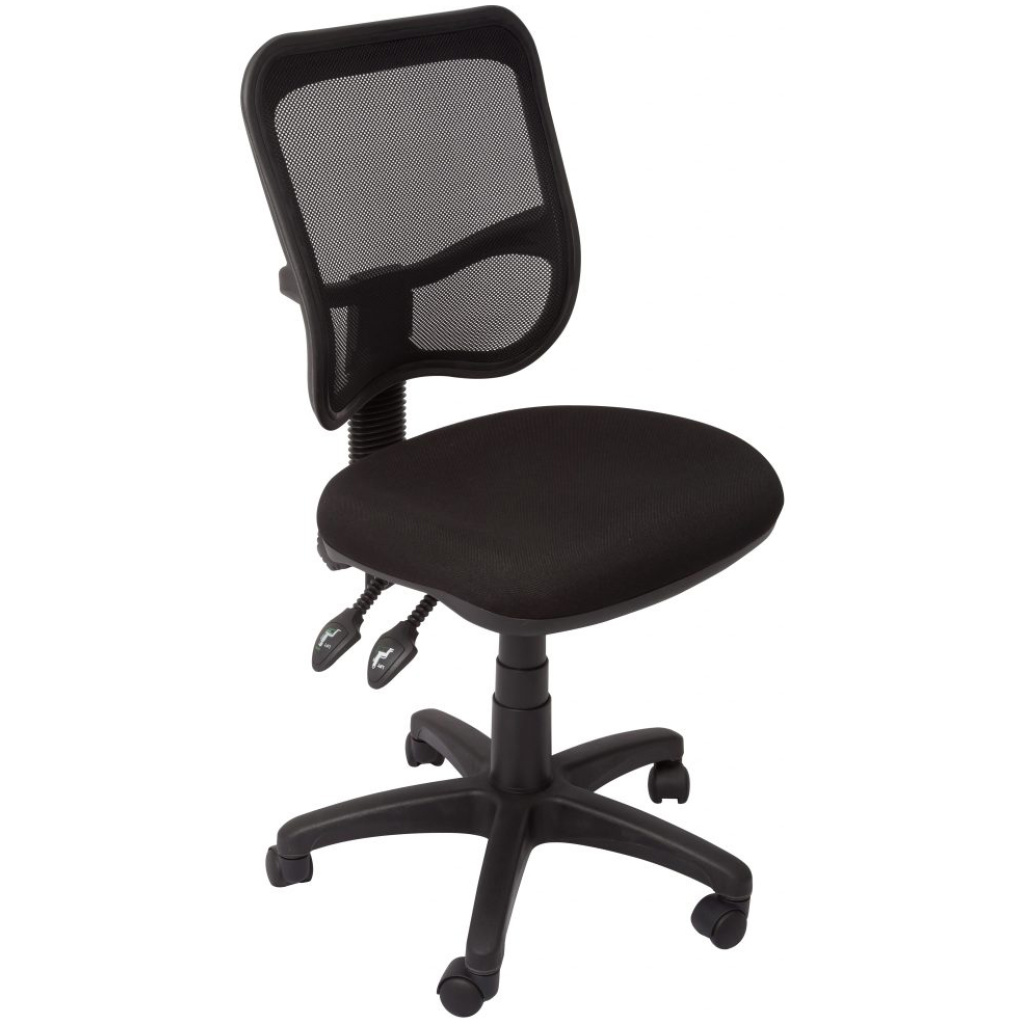
Comfort isn’t just about support it’s also about how a chair feels over time. Mesh backs, for example, allow airflow and keep you cool, especially in warmer environments. Upholstered options may feel more plush but can trap heat. There’s no one-size-fits-all answer here it depends on your workspace and personal preference. But one thing is clear: if a chair makes you fidget constantly, something’s off.
The Features People Often Overlook
When choosing a chair, most people focus on the obvious cushioning, appearance, maybe even brand. But the real impact comes from the features you don’t immediately think about.
Seat Depth and Edge Design
Ever felt pressure behind your knees after sitting for a while? That’s often due to poor seat depth or edge design. A well-designed seat supports your thighs without cutting off circulation. It’s subtle, but it makes a huge difference.
Armrest Positioning
Armrests are often underestimated. When positioned correctly, they reduce strain on your shoulders and neck. When they’re not, they can actually make things worse. Look for flexibility height and width adjustments can help align your posture naturally.
Movement and Flexibility
The best ergonomic chairs don’t keep you still—they encourage movement. A slight recline, a responsive tilt, even a gentle bounce—these micro-movements help reduce fatigue and keep your body engaged throughout the day.
Ergonomics Is About Your Workflow, Not Just the Chair
Here’s something people rarely talk about: even the best chair won’t fix a poorly set up workspace. Your desk height, monitor position, and even how often you take breaks all play a role. Officely’s broader approach to workspace solutions reflects this idea they don’t just sell chairs, they think about the entire environment. A chair is just one piece of the puzzle but it’s a powerful one.
Choosing the Right Chair for You
If there’s one takeaway, it’s this: don’t choose a chair based on looks alone. Think about how you work. Do you sit for long stretches? Do you switch between tasks frequently? Do you prefer a firm feel or something more cushioned? There’s no universal “best chair.” The right one is the one that disappears beneath you—supporting you so well that you stop thinking about it entirely.
An ergonomic office chair isn’t just furniture—it’s an investment in how you feel every single day. The right features can reduce fatigue, improve focus, and even make work more enjoyable.
